A Guide to Reading Restaurant Menus Like a Pro for Australian Diners
To have a dinner at a restaurant can be joyful but reading and understanding their menus can feel tricky at the same time. Have you ever found your self unable to decide what to order? Menus are confusing due to their hidden prices, fancy terminology, and unfamiliar dish descriptions. Whether you are a tourist or a local understanding menus is necessary for everyone no matter the location, especially restaurant menu Australia.
This blog will help you read and understand a menu effectively. If you are unfamiliar with this, stay here to explore together!
Let’s begin!
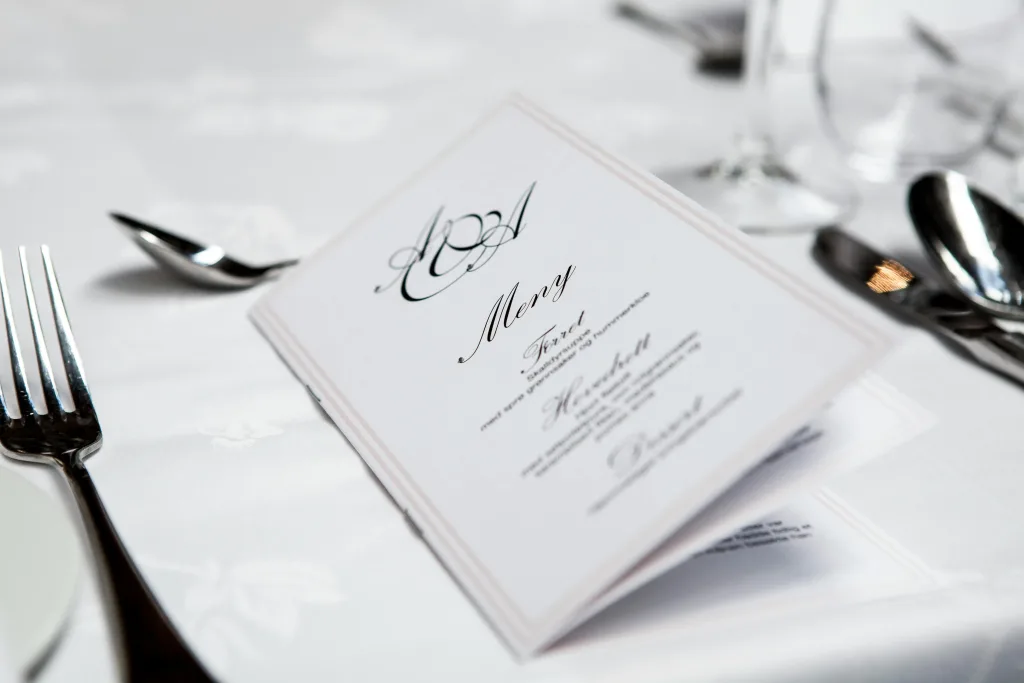
Understanding Menu Structure
Mostly the restaurants follow this general structure in their menus:
Entrées (Appetizers/Starters)
It hints towards the food items served as starters. These are the smaller chunks of food served before your meal. It usually includes, garlic prawns, arancini balls, and bruschetta.
Mains (Main Courses)
These include the parts of your meal that are supposed to be full filling the major part of your hunger. These commonly include food items lik steak, seafood, pasta, and many plant-based options available for customers.
Sides (Accompaniments)
This includes food items such as fries, roasted veggies, and mashed potatoes.Some of the restaurants charge extra for sides so, it’s always better to ask for the pricing before placing order.
Desserts
These are the sweet treats one can have after enjoying a full meal. It usually includes different types of puddings and gelato to end your experience with a good note.
Drinks & Specials
This section of the menu includes soft drinks, cocktails, beer, and wine options for some extra taste.
Decoding Common Menu Terms
Most of the restaurants use some culinary jargons that can feel confusing to customers. Here are some of the common jargons used in Australian restaurants menu:
Market Price (MP) – The Market Prince, its cost can vary on the basis of ingredients availability such as seafood food options.
GF / DF / V / VG – GF stands for gluten free, DF stands for dairy free, and V or VG means vegetarian food options.
A La Carte – The A La Carte food items are usually priced individually rather than a whole meal.
Degustation – Degustation means a food option available for tasting.
Sous Vide – Sous Vide features the food items that are slowly cooked in water for ultimate tenderness.
Chargrilled – Chargrilled food is cooked on open flame for a delicious smoky flavor.
Sautéed – Sauteed stands for food options lightly fried in oil or butter.
Confit – Confit means food items which are cooked in its own fat.
Read More: Customs House Hotel Menu with Prices
How Can You Spot Hidden Costs and Save on Menu Prices?
Most of the restaurants in Australia are upfront regarding pricing, so, here are few things to look for before placing your order:
Service Charges & Surcharges – Some venues add a public holiday surcharge (typically 10-15%) or a service charge for large groups.
Extra Costs for Sides & Toppings – Some mains don’t include sides, and extras like avocado, cheese, or premium sauces may have an additional fee.
Tap vs. Bottled Water – If you ask for water, clarify whether you want tap water (free) or bottled/sparkling which costs extra.
How Can You Order Like a Local? Pro Tips for Authentic Dining
Check the Specials Board – Many restaurants offer seasonal specials that aren’t on the regular menu.
Ask About Portion Sizes – Some dishes are meant for sharing, while others are single servings.
Customize When Needed – If you have dietary restrictions, you may request ingredient modifications.
Pair Your Meal with a Drink – Australia is known for its wines, so consider asking for pairing recommendations.
I hope you liked our guide to reading restaurant menus and some secret tips. Keep visiting Menumaps for the latest stuff on this topic